Units and leases
Occupancy, leases, renewals, deposits, increases, documents and availability.

We design systems that connect leases, rent, maintenance, security, vendors and reporting in one operation. We start with the way your center works and build around its processes, team and infrastructure.
Interactive demo · sample data
Rent is a central part of the operation. Around it are leases, common services, maintenance, security, vendors, supplies, accounting and the information leadership needs. We design the system to connect those processes and give each team a useful tool for its work.
Occupancy, leases, renewals, deposits, increases, documents and availability.
Payment schedule, reconciliation, receipts, late fees, statements and follow-up.
Tickets, preventive maintenance, evidence, costs, vendors and response times.
Event logs, rounds, alerts, evidence and follow-up through closure.
Orders, recurring purchases, basic inventory, consumption and costs by area.
KPIs, CFDI, executive reporting, exports and accounting integrations.
Each unit can bring together information that currently lives in leases, folders, spreadsheets, messages and separate systems. The goal is for management to find the full context in seconds and for every change to be recorded.
The main demo lets you select PB-12 and review its lease, account, maintenance, incidents and documents.
During discovery, we quantify the points with an economic impact on your center. Results may come from collecting on time, applying increases on the correct date, reducing vacancies, controlling fees and maintenance, or freeing administrative hours currently spent on manual follow-up.
Timely balance tracking, reminders and late-fee rules based on each lease.
Visible dates and automated changes to apply agreed terms on time.
Early notices, available-unit inventory and renewal tracking to reduce periods without rent.
Less repeated entry, manual cross-checking and report preparation so management can focus on operations.
Adjust the controls with approximate data from your center to size the opportunities worth validating during discovery.
Sample calculation. Actual figures are established during discovery for your operation.
We can centralize reports from tenants and staff, assign owners, schedule preventive maintenance, attach evidence and record costs. The center gets a history by unit, asset, vendor or common area, while leadership can see what is being handled and what it costs to maintain operations.
10:14:08 PM · Sep 7, 2026
Available automation depends on the cameras, controls and infrastructure at each center.
When infrastructure allows it, we can integrate cameras, access control or existing systems to log events and centralize follow-up. The system can complement human supervision with alerts, evidence, logs and reports that help security and management teams respond with context.
Cleaning, maintenance, security and common areas generate recurring purchases and services. We can incorporate requests, quotes, orders, supply inventory and vendor costs so the operating history also has a financial view.
The system prepares charges and statements from each lease. Management identifies pending balances, records exceptions and keeps follow-up in one place.
The renewal appears early, follow-up is assigned and leadership can see whether the unit will renew or move into available inventory.
The ticket arrives with location and evidence, is assigned to a team or vendor, records the cost and documents closure.
The event is logged from the incident log or an integration, assigned to an owner, linked to evidence and made available for period reporting.
Every center has different leases, owners, rules, vendors, systems and priorities. We first understand that operation; then define what to automate, what to integrate and what information each role needs.
We review processes, files, current systems, owners and friction points.
We define flows, permissions, screens, data, integrations and priorities.
We build the system and connect the sources that add value.
We migrate the agreed information, test with the team and adjust the flow.
The system can grow alongside new properties, processes and integrations.
When an integration adds value, we include it in the design. We can work with external services, APIs and existing systems to reduce duplicate entry and maintain a consistent source of information.
Transaction reconciliation through available interfaces.
Connection to stamping providers and agreed tax rules.
CONTPAQi, Aspel, SAP or other systems through their interfaces.
Email, WhatsApp Business and notifications based on the workflow.
Compatible CCTV, video analytics and access control.
APIs, files or defined data-exchange processes for the center.
The technical approach is defined after reviewing available interfaces, vendors, permissions and infrastructure.
The operating team works with tasks, leases and incidents. Leadership can receive an executive view with occupancy, collections, upcoming expirations, maintenance, costs and relevant indicators. For multi-property groups, the same logic can consolidate information by center and portfolio.
We design process automation, web systems, applications, dashboards and integrations. We apply that same approach to shopping centers, combining operating-flow understanding with custom development.
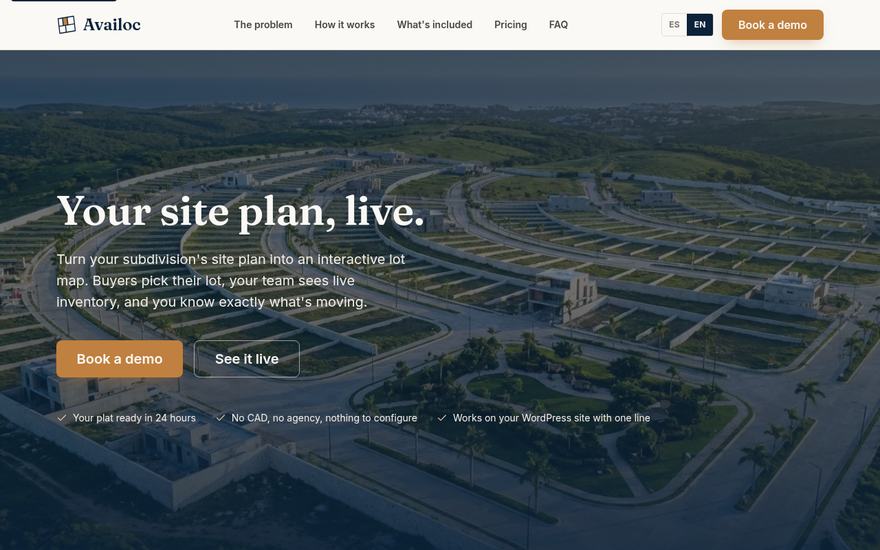
Our own product in production: per-unit maps, records, availability and lead capture.
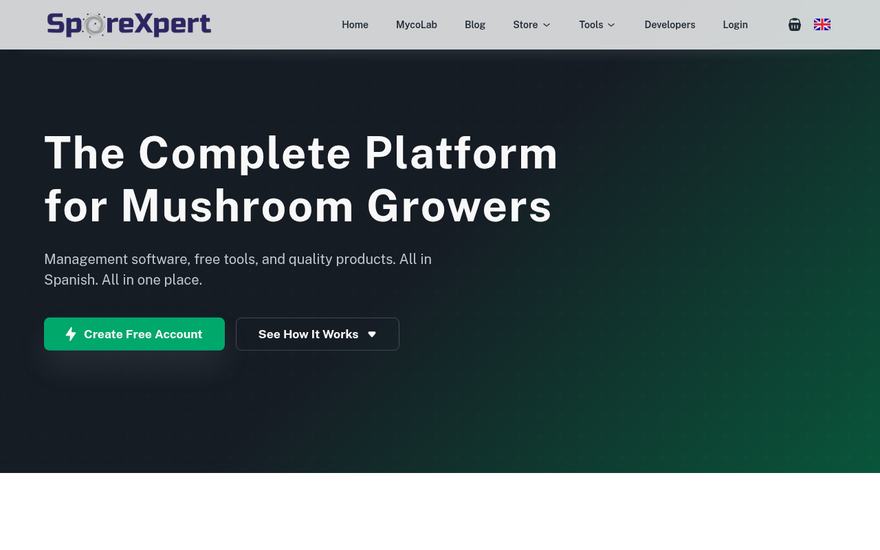
Bilingual operation with users, data, processes, infrastructure and continuous evolution.
Answers about custom development, timing, migration, security and growth.
Every project starts with discovery. We can reuse experience, components and integrations, but define the system around each operation's processes, rules and priorities.
Cost is set by scope, number of processes, integrations, data migration and level of automation. The first step is a review at no cost: we reply within one business day and, after the review, send you scope, timeline and cost in writing. When possible, we include the economic impact that may justify the investment.
A useful first scope is built in stages. Integrations, data and processes set the timeline, and the proposal puts it in writing with dates and deliverables.
Yes, when a secure technical integration path exists. We review APIs, available files, vendors and constraints to define the appropriate approach.
Yes. We can design permissions, indicators and views by property, along with a consolidated layer for leadership or multi-center groups.
We can plan a migration of valuable data: leases, balances, units, vendors, history and other catalogs. Before migrating, we review quality, structure and rules to avoid transferring errors into the new system.
We can integrate compatible equipment or platforms when appropriate interfaces are available. Scope can range from incident logs and follow-up to automated events from cameras or access-control systems.
Yes. The architecture is defined so the project can add properties, processes, roles and integrations as the operation changes.
We work with your team to understand how the center operates, what information it uses and which processes concentrate the most work or economic impact. From that review, we can define a concrete next step: automate a process, integrate existing systems or build a broader solution.
First review at no cost · Response within one business day